
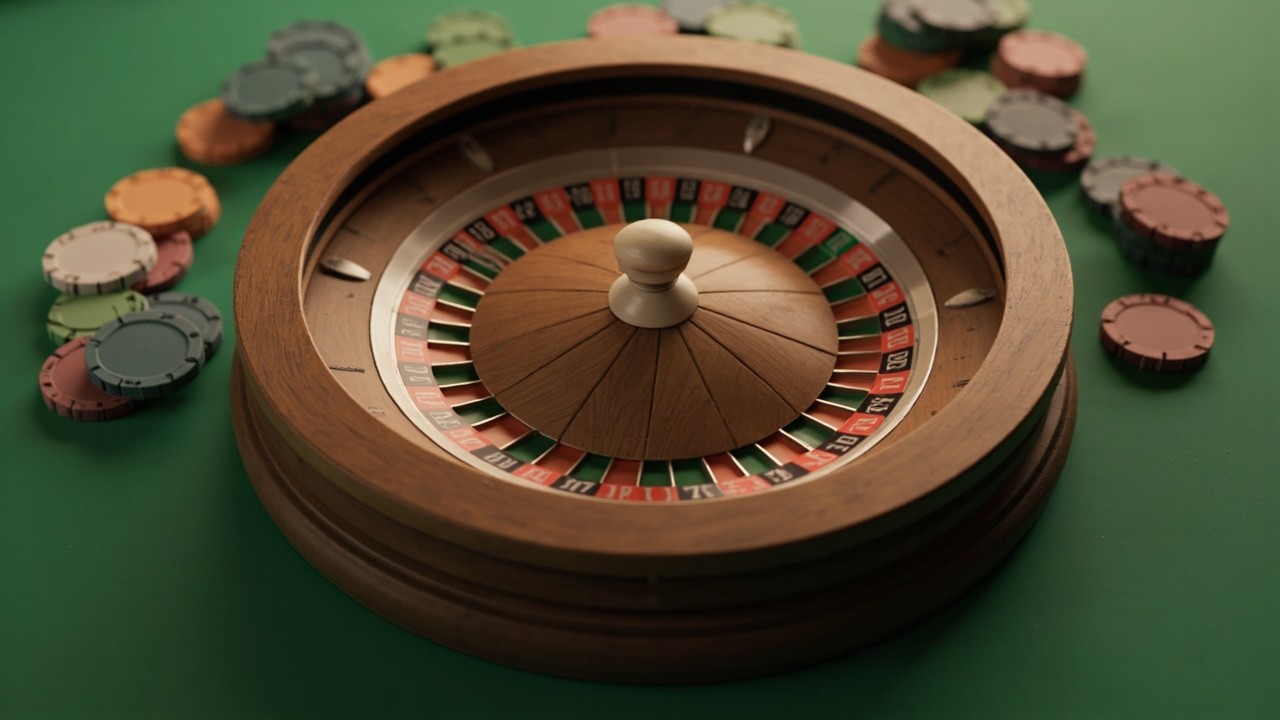
Most punters have heard the old stories about how the casino always wins, but the reality around house edge myths is a bit more grounded than the legends suggest. You do not need a maths degree to sort the noise from the numbers, just a clear head and a willingness to check the actual terms before you commit your cash. On the Gold Coast, where weekend arvo sessions can turn a quiet Tuesday into a proper busy stretch, knowing what the edge really means helps you play with your eyes open rather than chasing a fairytale.
What House Edge Myths Actually Get Wrong
The first thing to clear up is that the edge is not a secret hand the operator pulls when you are on a run. It is baked into the maths of each game, and those numbers do not shift because you had a good session or because it is Friday night and the pub is humming. A slot with a published return-to-player figure near the mid-eighties is not rigged to punish you on a bad day; it is simply built to hold a set percentage over the long run, which is the whole point of the design.
One persistent house edge myth is that a machine is “due” to pay because it has been quiet for a while. The reels do not keep a ledger, and past spins do not nudge future ones toward a win. Another common one is that betting bigger somehow tilts the maths in your favour. It does not. You can change how fast your bankroll moves, but you cannot change the underlying expectation by pressing the same button with more conviction.
That patchwork of state and federal rules across the country makes national reform politically complex, which is why you will still see different stances on advertising, self-exclusion, and bonus terms depending on where you are. If you want a clearer picture of what a safe and legal online slot experience actually looks like, it helps to read a focused breakdown like this one on recognising a safe and legal online slot experience before you sign up anywhere.
For Australian players, navigating these jurisdictional differences requires extra diligence to verify that a site holds the appropriate local licenses. You can explore a detailed overview of compliant platforms and current market standards at https://21bitbonus.com/aus to ensure your chosen operator meets all necessary safety criteria. Taking this step helps protect your funds and personal information while ensuring you are playing within the bounds of the law.
Reading the Terms Instead of the Hype
Bonuses look generous on the surface, but the real story is usually in the wagering requirements and game weighting. A 20x rollover on a deposit match sounds straightforward until you notice that some titles count only a fraction toward the target, while others are excluded entirely. That is where a lot of house edge myths get fed: players blame the edge for a bonus that was never going to clear the way they assumed it would.
Localisation matters here too. A site that presents its terms in plain English, shows AUD balances without hidden conversion steps, and keeps its navigation easy to scan is doing the boring, useful work that most players actually need. Search should lead you to paytables, game rules, and bonus conditions without a scavenger hunt. When the interface is cluttered or the currency toggles are buried, the edge is not the only thing working against you; confusion is.
Showing viewers players’ cards made poker gripping television, and the same logic applies online: visible rules, clear payout tables, and readable terms make the experience easier to judge. When the operator lays those details out honestly, you can make a better call about whether a game fits your bankroll and your patience.
Zoe Lewis, Independent iGaming Expert, Ironbark Compliance Advisory, puts it plainly: “The edge is not the villain in every story; vague terms and mismatched bonus weighting are what catch people out.” That is a useful reminder that the maths and the paperwork both deserve your attention before you spin.
On the payments side, consistency counts more than flash. A platform that keeps its deposit and withdrawal paths in AUD, spells out processing windows, and does not switch currencies on you mid-session is making the everyday usability easier. Mobile play should feel like the same service, not a trimmed-down afterthought, with the same game rules and the same terms you would see on a desktop screen. Support that answers a straightforward question without a runaround is worth more than a glossy loyalty badge that does nothing for your actual balance.
Who This Kind of Play Suits Best
If you like knowing the rules before you commit, and you are comfortable treating a session as paid entertainment rather than a side hustle, then understanding house edge myths is genuinely useful. It suits players who set a limit, check the game info, and move on when the session is done, not the ones expecting a neat line between a lucky arvo and a long-term plan. It is less suited to anyone chasing a mythical “beating the edge” shortcut, because that is where the bad stories do the most damage. How to Recognize a Safe and

For a Gold Coast player juggling a shift schedule or a family weekend, the practical fit is usually a site that keeps its layout readable, its terms in plain language, and its currency local enough that you are not doing mental conversion every time you check your balance. No worries if you are just after a casual spin; the fit is still about clarity, not complexity.
The real takeaway is simple: the edge is real, but most of the scary stories around it are not. Check the terms, read the game info, and treat the maths as a boundary to play within rather than a puzzle to solve. That way you keep the fun in the session and leave the myths where they belong.
